
Why Tomatoes on Your Balcony?
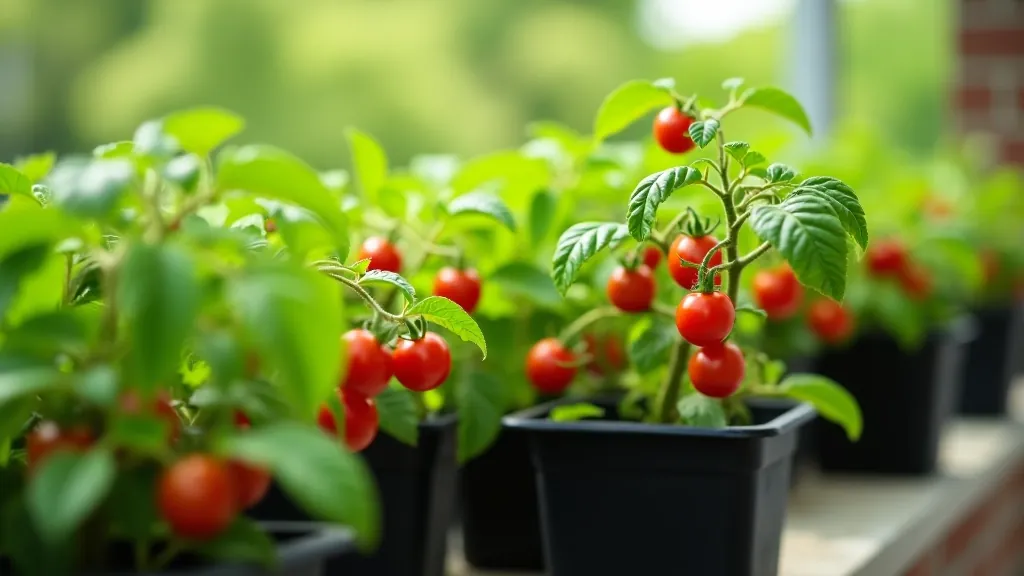
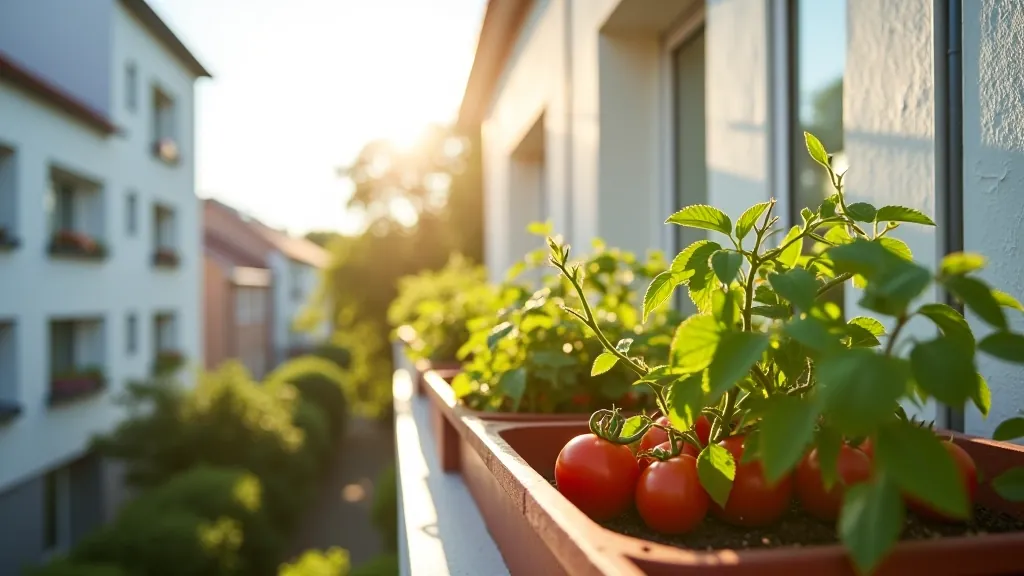
Growing tomatoes in containers is completely doable on a Baltic balcony. The trick isn't magic — it's choosing the right varieties and understanding how much sunlight you're actually getting. We're talking about determinate types and cherry tomatoes. These ripen faster than beefsteaks and don't need a 120-day growing season.
Here's the reality: you've got roughly 160-170 frost-free days in Riga. That's tight, but it's enough. The key is starting early indoors in March and picking varieties bred for shorter seasons. We've been doing this for years, and the success rate is honestly higher than people expect.
Container Size and Material Matter
You don't need massive pots. A 15-liter container (about 40cm diameter) is perfectly adequate for cherry tomatoes. Determinate varieties — the compact bush types — fit even smaller. We're using between 12 and 20 liters depending on the variety.
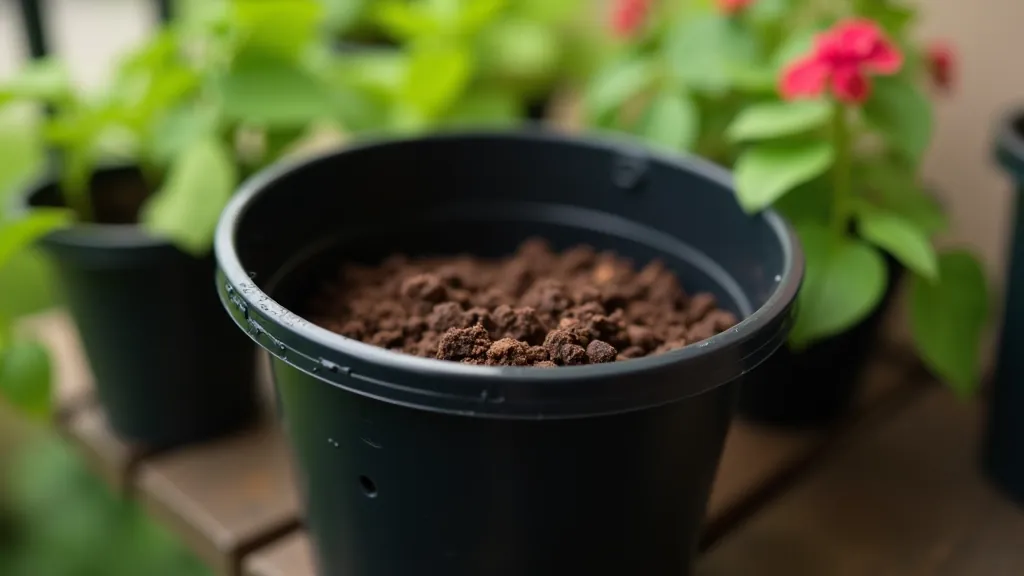
What material? Dark containers absorb more heat, which you actually want in the Baltic climate. Black plastic warms up faster in spring and keeps roots warmer through cool nights. Some people worry about plastic, but it works. Just drill drainage holes if they're not pre-made — that's non-negotiable. Waterlogged roots kill tomatoes faster than anything else.
- Cherry tomatoes: 12-15 liters minimum
- Determinate types: 10-15 liters
- Black or dark containers preferred
- Drainage holes are mandatory
Starting Seeds Indoors Is Essential
Don't wait to plant seeds directly on your balcony. By the time soil warms enough outdoors in May, you've lost crucial growing time. Start indoors in early March under grow lights or near a bright window. Tomato seeds germinate in 7-10 days at room temperature — they're pretty cooperative.
Once seedlings develop their first true leaves (not the smooth cotyledons, but the actual serrated ones), thin them out. Each plant needs about 5cm of space. When they're 10-15cm tall with 4-6 true leaves, they're ready to move to larger containers or straight to your balcony pots if frost risk has passed.
Hardening off takes about 2 weeks. You're gradually exposing them to wind and direct sun so they don't go into shock when they move permanently outside. Start with 1-2 hours in a sheltered spot, then increase daily. It's tedious but it works.
Sunlight Is Your Real Constraint
This is where most balcony gardens fail. Tomatoes need minimum 6 hours of direct sunlight daily — ideally 8. If your balcony gets morning sun until noon and then shade, that's not enough. Check your balcony orientation honestly. South-facing is ideal. East-facing works. West-facing is marginal. North-facing? Don't bother.
If you're getting 5-6 hours, choose cherry varieties — they're more forgiving. 'Sungold' and 'Tiny Tim' tolerate slightly less light than larger types. Also position your containers away from walls that reflect heat. Even a white wall can create too much intensity and crack your fruit.
Observe your balcony at 8am, noon, and 4pm. Note which areas have direct sun.
Track direct sunlight for 3 days to get an average. Clouds happen — measure on a clear day.
6+ hours = any variety. 5-6 hours = cherry only. Below 5 = choose a different crop.
The Watering Schedule That Works
This is where patience pays off. Containers dry out faster than garden soil — especially in Baltic summers when wind can be intense. But overwatering kills more plants than underwatering. You're aiming for consistent moisture, not soaking.
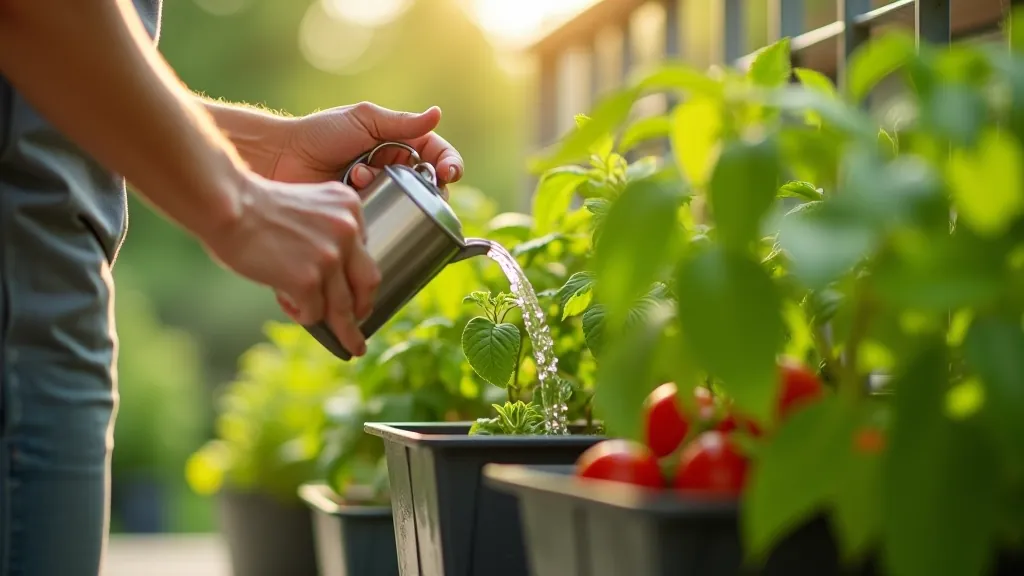
Check soil every morning by pushing your finger 2cm into the surface. If it's dry at that depth, water thoroughly until it drains from the bottom. Don't sprinkle lightly — really soak it. Then leave it alone. In peak summer heat, that's likely daily. In cooler June or September, it might be every 2-3 days.
Water in early morning or evening. Watering in direct noon sun is wasteful and can scald leaves. Drip irrigation or soaker hoses work great if you're not home during the day — they deliver water right to the roots without wetting foliage, which prevents fungal issues.
Container tomatoes need more water than you think. A 15-liter pot in July heat might need water twice daily. That's normal. The upside? Better fruit flavor than constantly wet garden soil.
Best Varieties for Latvia
Not all tomatoes are equal in a Baltic climate. You want varieties that ripen in 65-85 days, not 100+. Here's what we've had success with:
70-80 days to maturity. Golden-orange, sweet flavor. Tolerates partial shade better than red varieties. Very productive — expect 200+ fruits per plant if you're diligent with watering.
75-85 days. Compact bush, only 30-40cm tall. Perfect if your balcony space is tight. Red cherry size fruit. Less vigorous than Sungold but reliable and needs minimal support.
65-75 days. This is a real winner for short seasons. Medium-sized fruit, good flavor, very reliable ripening. You'll get a concentrated harvest in 2-3 weeks rather than dripping fruit all season.
70-80 days. Bred for container growing. Reaches 60-70cm. Red cherry tomatoes with good taste. Actually thrives in containers — not a garden variety crammed into a pot.
Growing Conditions Vary
This guide is based on typical conditions in Latvia's climate zone. Individual balconies, building orientations, and summer weather patterns vary. Start with one or two containers to test your specific setup before expanding. Success depends on your particular balcony's sunlight, wind exposure, and your local microclimate. Adjust watering and variety selection based on your results.
The Real Talk
Growing tomatoes on a Baltic balcony isn't experimental anymore — it's straightforward if you choose the right varieties and understand your balcony's sunlight. We're not talking about perfect greenhouse conditions. We're talking about honest, reliable harvests with varieties that actually ripen before September frosts.
Start small. Pick one or two containers, choose Sungold or Montello, give them 6+ hours of sun, and water consistently. You'll get ripe tomatoes. Then next year you'll expand because you'll know exactly how your balcony behaves. That's how this works.