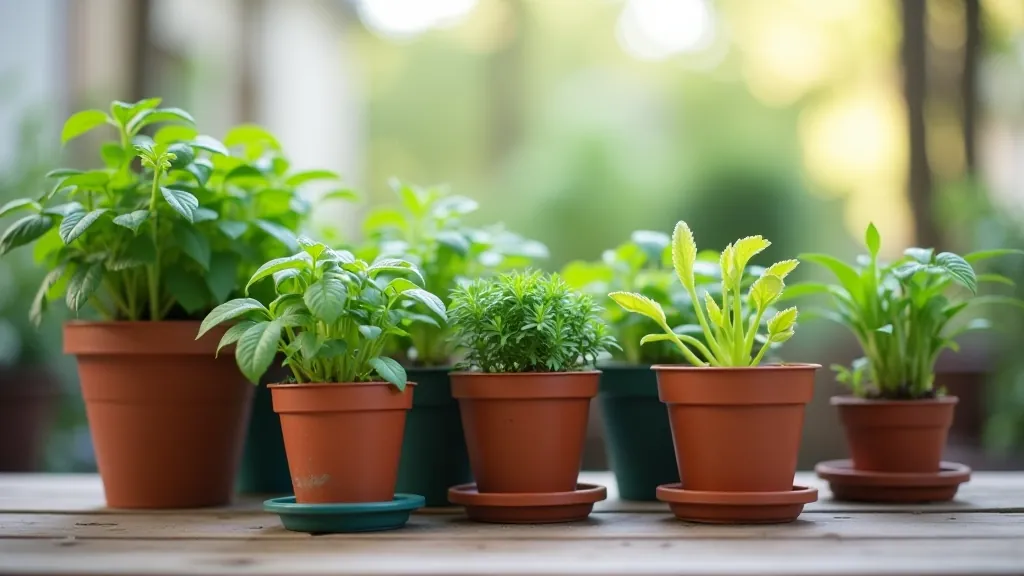

Why Container Material Matters in Baltic Climate
When winter hits Riga, temperatures drop below freezing for months. Your pots don't just sit there looking pretty — they're battling ice expansion, freeze-thaw cycles, and moisture that can crack them apart. That's why choosing the right container isn't a small detail. It's the difference between pots that last five years and ones that shatter by February.
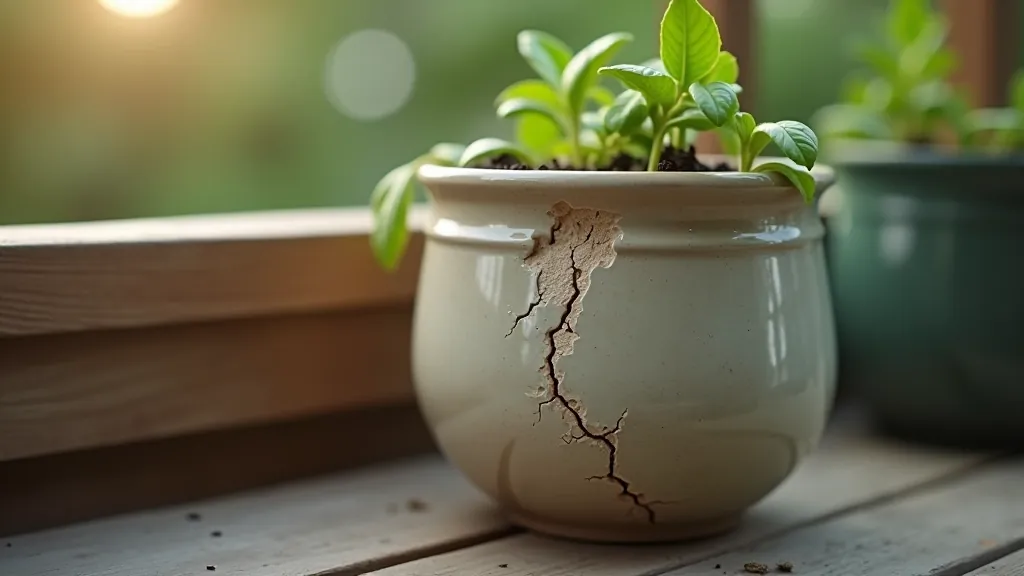
Frost damage happens because water gets into the porous structure of ceramic and some plastics. When it freezes, it expands. The material can't stretch, so it cracks from the inside out. You'll see small hairline fractures that spread over weeks. By spring, your favorite pot is in pieces.
The good news? You don't need expensive specialty containers. You just need to understand which materials actually work in harsh winters, and which ones fail after a single season.
Plastic vs. Ceramic: The Real Differences
Ceramic looks beautiful, but it's honestly terrible for Baltic winters. Standard terracotta and ceramic pots are porous — they absorb water like a sponge. When temperatures drop to -15°C (5°F) for weeks at a time, that water freezes inside the material and expands. The result? Spalling — that's when chunks of the pot literally flake off.
Plastic is different. Modern frost-resistant plastics like resin-reinforced polyethylene and polypropylene don't absorb water. They're flexible enough to handle minor expansion without cracking. They're also lighter, so they won't shatter if they fall on frozen ground.
But here's the catch: not all plastic is created equal. Cheap thin plastic gets brittle in extreme cold. You'll bend a pot in December and it'll crack. High-quality plastic containers with thicker walls stay flexible even at -20°C.
Ceramic & Terracotta
- ❌ Absorbs water
- ❌ Cracks in freeze-thaw
- ✓ Aesthetically pleasing
- ❌ Won't last Baltic winter
Quality Plastic
- ✓ Water-resistant
- ✓ Flexible in cold
- ✓ Lightweight
- ✓ Survives -20°C easily
Drainage Holes: Non-Negotiable
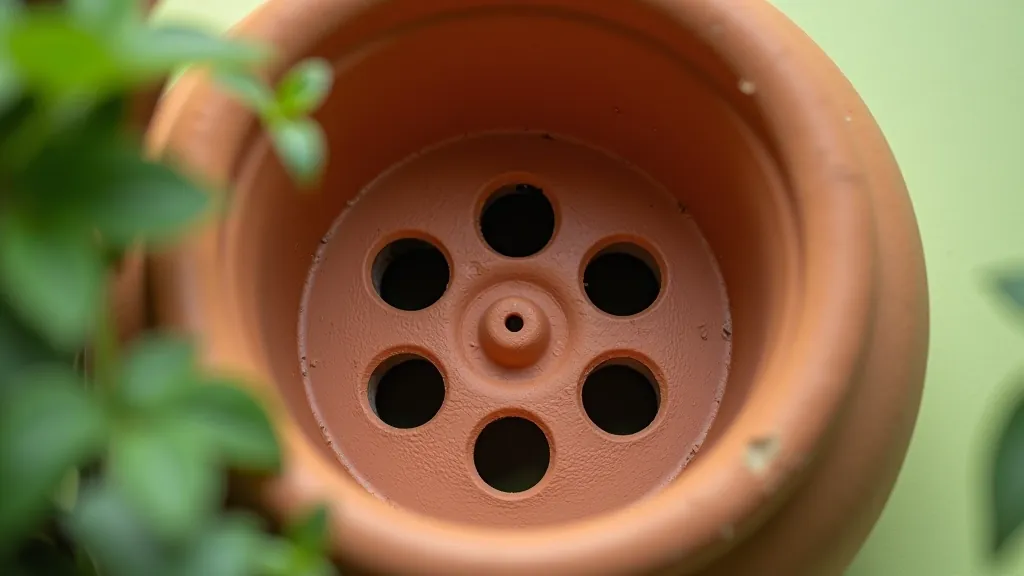
You'd think this would be obvious, but it's not. Drainage holes are your single most important defense against frost damage. Here's why: when water sits in a pot with no drainage, it pools at the bottom. That standing water freezes solid, and ice expands with nowhere to go. The pot splits from inside out.
Good drainage allows excess water to escape. It also means the soil dries faster, so less water stays in the pot when freezing temperatures arrive. You want at least one drainage hole per 10 centimeters of pot diameter. A standard 30cm pot should have 3-4 holes minimum.
Don't block drainage holes with saucers during winter. That defeats the entire purpose. If you're worried about your balcony floor, use absorbent mats underneath instead.
Size and Wall Thickness: Bigger Isn't Always Better
Larger containers are actually better for winter survival — counterintuitively. A 40cm pot holds more soil and stays warmer in the center than a small 15cm pot. The soil mass acts as insulation. But size matters less than wall thickness.
A thin-walled 30cm plastic pot might fail in -20°C weather, while a thicker-walled 20cm pot survives fine. Check the wall thickness by looking at the pot's weight and rigidity. Heavy, stiff plastic means thicker walls. Light, flimsy plastic? It'll crack.
Aim for pots at least 5-8mm thick if you're buying plastic. That's the minimum for Baltic winters. Some premium containers are 10-12mm thick — those'll last 10+ years.
What Frost-Resistant Actually Means
You'll see "frost-resistant" stamped on lots of containers. What does it actually mean? Usually it means the manufacturer tested the pot through freeze-thaw cycles and it didn't shatter. But the testing standards vary wildly.
European frost-resistant labels are pretty reliable — they test down to -15°C through multiple cycles. That's good for most of Latvia. But some cheap imports claim frost-resistance without real testing. They'll fail by December.
Look for specific claims: "Tested to -20°C" or "10+ freeze-thaw cycles" or "European standard EN 14436." If a pot just says "frost-resistant" with no specifics, ask the seller. A good seller will know the actual temperature rating.