Winterizing Pots for Harsh Baltic Winters
Protecting your containers through December and January. Storage techniques, wrapping methods, and what happens to wet soil when temperatures drop below zero.

Why Winter Protection Matters
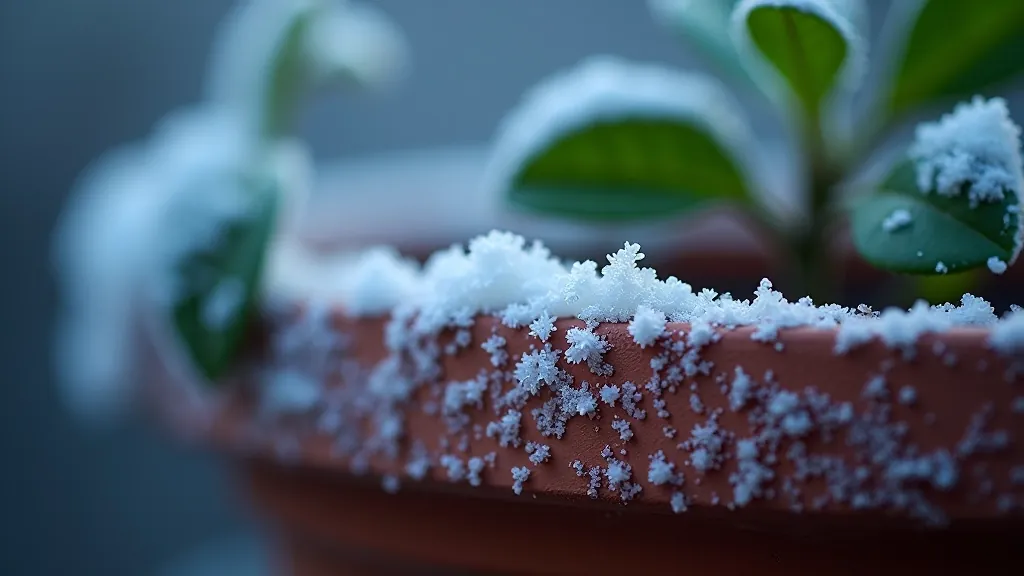
Your balcony containers face a brutal three months. When temperatures plummet to -15°C (which isn't unusual in Rīga), wet soil freezes solid. The water expands as it becomes ice, and this pressure can crack ceramic pots, split wooden containers, and destroy the soil structure your plants worked all summer to build. It's not just about the cold — it's about managing moisture and preventing that freeze-thaw cycle that happens when we get those false springs in February.
The good news? You don't need expensive solutions. Smart wrapping, proper drainage, and strategic storage make the difference between containers lasting one season or lasting decades. We're talking burlap, bubble wrap, and a few concrete techniques that actually work in our climate.
Know Your Container Material
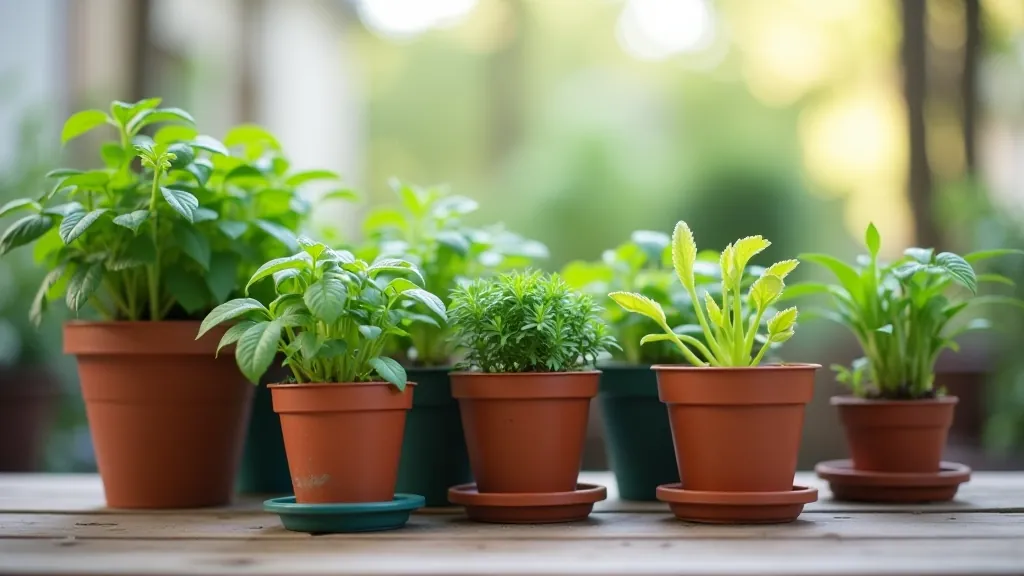
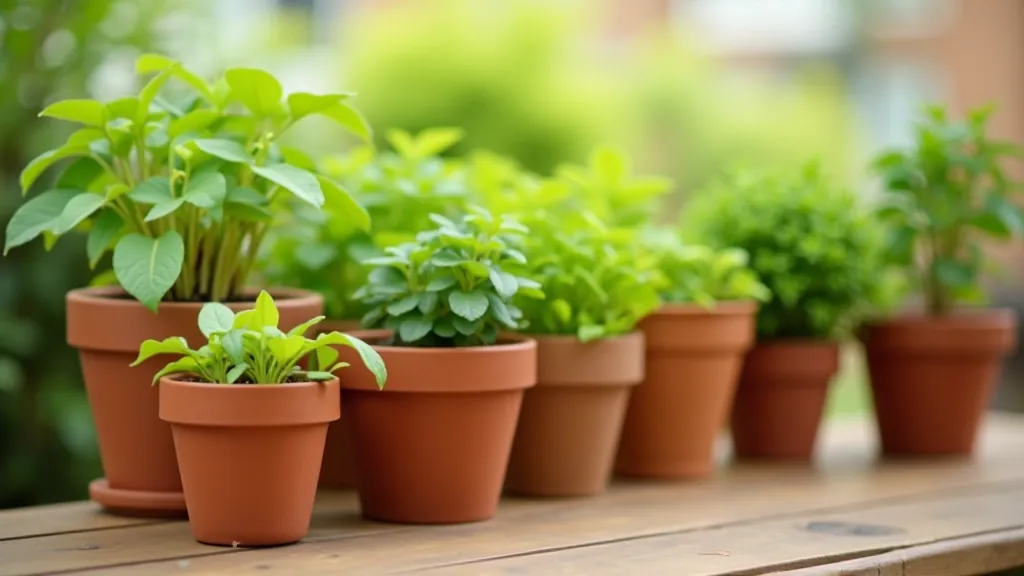
Not all pots need the same treatment. Ceramic and terracotta are the vulnerable ones — they're porous and absorb water, which means ice forms inside the walls and causes spalling (those ugly white chips you see on old pots). Plastic containers actually handle freezing better since they flex slightly when ice expands. Wood absorbs moisture differently and rots over time if exposed constantly.
The Problem Materials
- Ceramic and terracotta — most vulnerable to cracking
- Unglazed pots — absorb moisture like sponges
- Thin-walled containers — minimal insulation
- Wooden containers — need protection from constant moisture
The bottom line? If you love a particular ceramic pot, it's worth protecting. If you're using cheap plastic — sure, it'll probably survive without help, but wrapping even those extends their life and protects the soil inside.
Wrapping Methods That Actually Work
Here's what we've learned works best in Baltic winters. You're not trying to insulate like you're preparing for a hike — you're managing moisture and preventing direct wind exposure that accelerates freeze-thaw cycles.
Burlap Wrapping (Best Option)
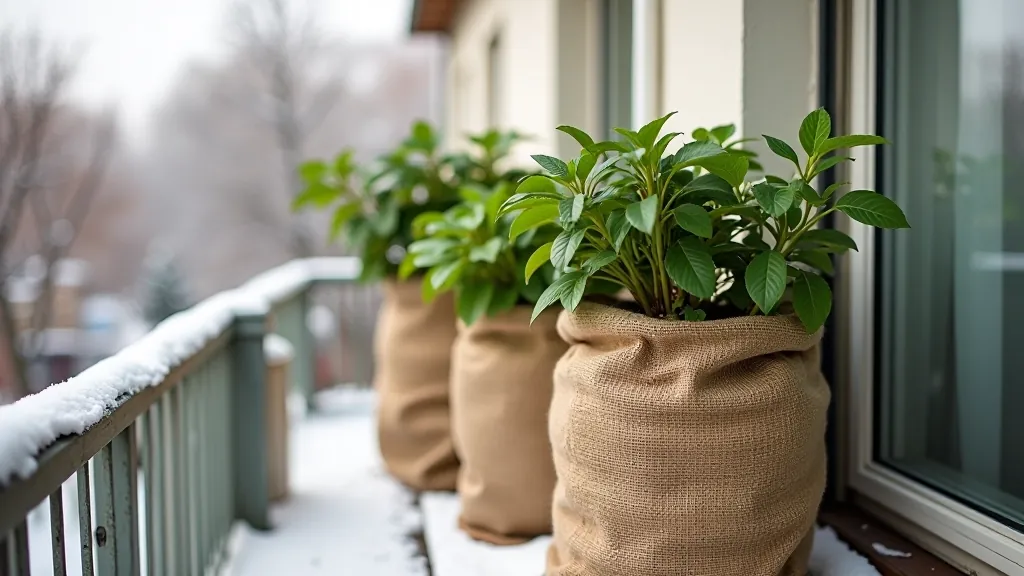
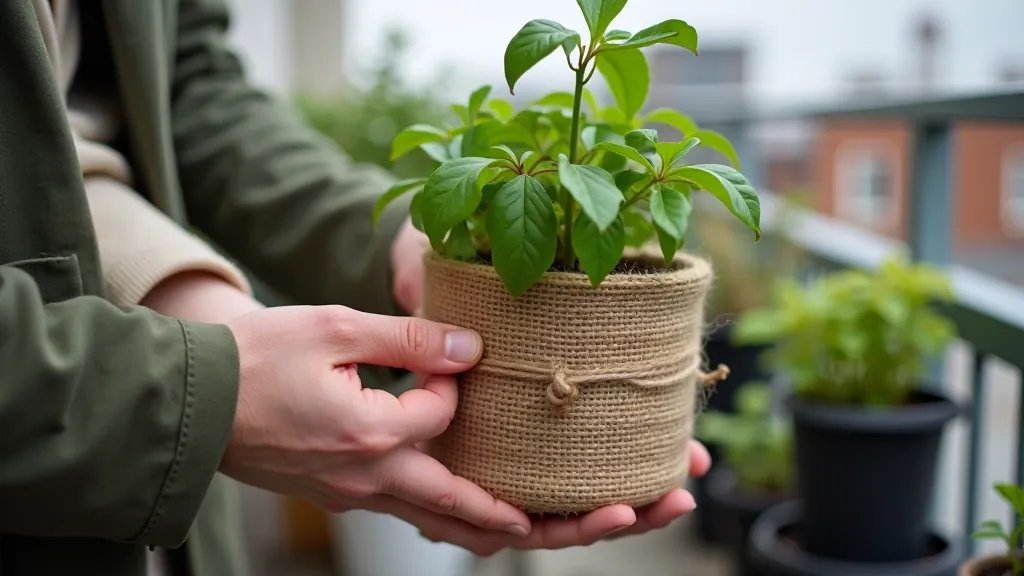
Burlap breathes, which means excess moisture escapes. Wrap 2-3 layers around the pot sides, leaving the bottom open for drainage. Secure with twine — not so tight that you're compressing the material. You're creating an air gap between pot and burlap that provides insulation without trapping moisture. Cost is minimal and it lasts 3-4 seasons if stored properly.
Bubble Wrap Layer
Bubble wrap adds insulation and protects from direct impact if pots shift or get bumped. Use it as a middle layer — burlap outside, bubble wrap next, then the pot. The air pockets in bubble wrap are genuinely effective at slowing heat loss. Don't skip the burlap though; bubble wrap alone traps moisture against the pot surface.
Stacking and Grouping
Group pots together in a sheltered corner of your balcony. They protect each other from wind. Stack lighter pots inside larger ones (soil removed) to save space. Never stack heavy pots where they might crack under their own weight during freeze-thaw cycles.
The key is allowing drainage and air circulation. You're not sealing pots in plastic bags — that creates a condensation nightmare that's worse than freezing.
Soil and Drainage — The Real Challenge
This is where most people get it wrong. They think "protect the pot" and forget about what's inside. Wet soil freezes solid and expands. In a confined container, this creates enormous pressure from the inside out. That's how pots crack from internal stress, not external cold.
Pre-Winter Soil Prep
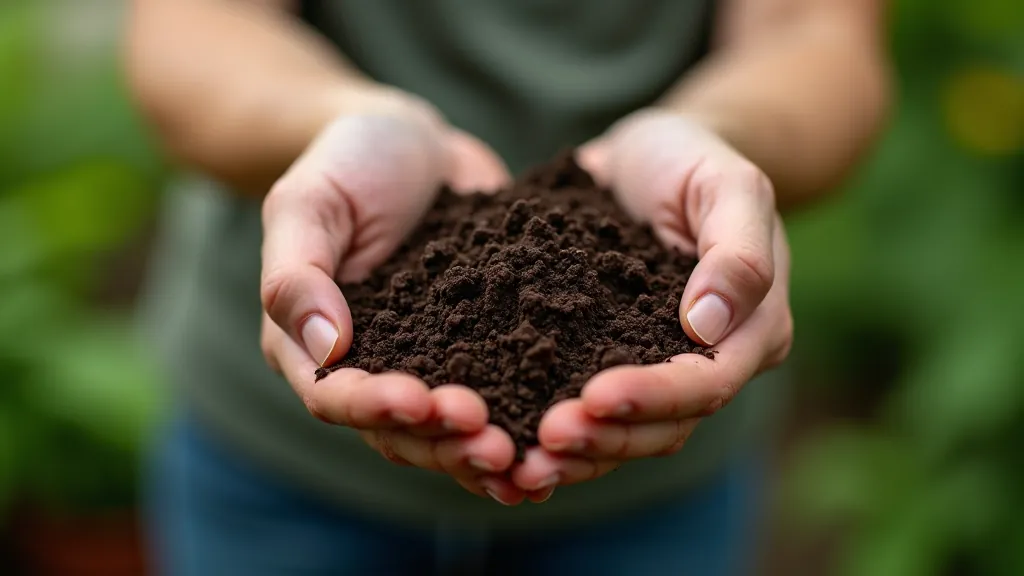
Empty annual containers completely. Perennials and shrubs can stay, but let the soil dry out naturally before temperatures drop below freezing. Don't water after October. If it rains, make sure drainage holes are clear so water doesn't pool. A pot that's slightly dry handles freezing better than a pot that's waterlogged.
For containers you're keeping planted through winter (evergreens, dormant perennials), remove the top 2-3 inches of soil and replace with mulch or sand. This reduces the amount of water that can be absorbed and frozen. The roots below are protected by the remaining soil, but you're managing the moisture at the surface.
One more thing — don't pack soil tight when you're preparing containers in fall. Loose soil allows some air circulation and freezes less uniformly than compacted soil. It sounds counterintuitive, but slightly fluffy soil actually handles freeze-thaw cycles better.
Storage Strategies for Empty Pots
Empty containers can be stored indoors or outside, but outdoor storage in a Baltic winter requires planning. The advantage of outdoor storage? You're not using indoor space. The challenge? Pots still need protection from ice and wind.
Indoor Storage (Preferred)
Stack them in a cool place — basement, garage, or unheated shed. They don't need temperature control; you just want to avoid the constant freeze-thaw cycle of being outside. Even an unheated space that stays above -20°C is better than balcony exposure. Drain any remaining water from pots before storing. Use newspaper or cardboard between layers to prevent damage.
Outdoor Storage (If Necessary)
Group empty pots in a sheltered corner. Wrap stacks in burlap or place them inside larger containers to minimize wind exposure. Keep them off the ground if possible — moisture from snow and ice underneath can seep into porous pots. Stacked pots are less likely to topple in winter storms than individual ones.
The goal is simple: reduce the number of freeze-thaw cycles your containers experience. One deep freeze is fine. Cycling between -5°C and 5°C repeatedly throughout the season? That's what destroys pots.
Educational Information
This article provides general gardening guidance based on common practices in Baltic climates. Specific results depend on your exact location, balcony orientation, and container types. Extreme weather events may require additional precautions. We recommend testing techniques on less valuable containers first, and consulting local gardening experts for specific conditions in your area. Container care methods continue to evolve as new materials and techniques are developed.
Winter Preparation Is an Investment
You've spent all season building healthy soil and establishing your balcony garden. Two hours of wrapping and organizing in November pays dividends when spring arrives and you're unpacking containers that are still intact. Good ceramic pots are expensive and beautiful — worth protecting.
Start your winterizing routine in October when temperatures are still manageable. Don't wait for the first hard freeze. Burlap, twine, and dry soil are all you need. Your containers will thank you in April when they're ready for another season of growth.
Explore More Balcony Gardening GuidesRelated Articles