
anatomyofleaders Logo Anatomyofleaders Contact Us
Contact Us

Growing Herbs on Your Rīga Balcony

The easiest herbs to grow in containers. We cover basil, parsley, dill, and chives — which ones thrive in Baltic conditions and what they actually need.

7 min read Beginner April 2026
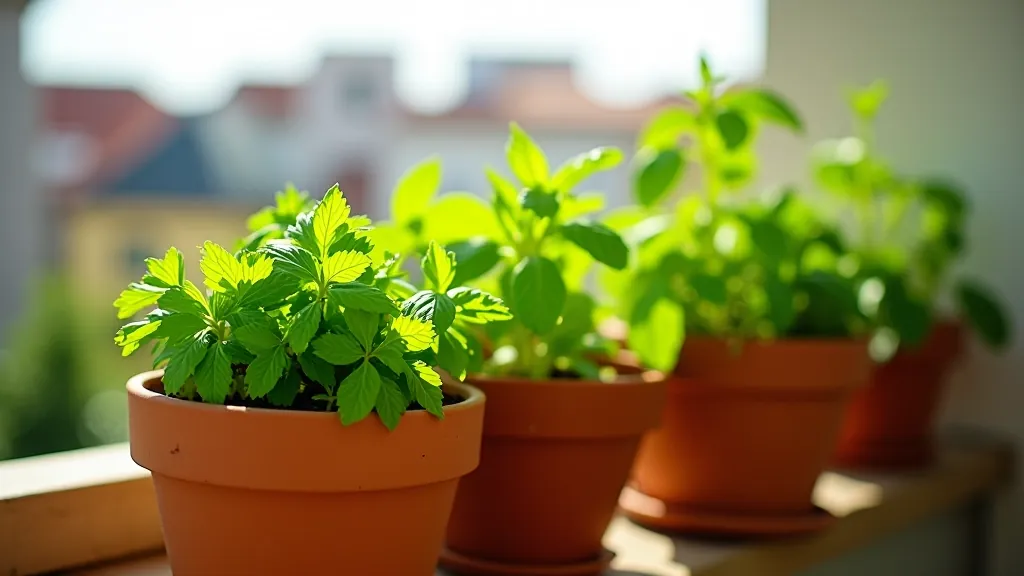
Green herb plants in terracotta pots on a sunny balcony railing with city buildings in background
Antons Siliņš

Author

Antons Siliņš

Senior Gardening Expert

Antons Siliņš is a senior gardening expert with 16 years of experience in cold-climate container gardening and urban horticultural practices across Latvia.

Why Balcony Herbs? They're Actually Perfect for Rīga

Look, growing herbs on a balcony isn't some trendy hack. It's genuinely practical if you live in an apartment and want fresh herbs without the fuss. Rīga's climate is perfect for this — cool springs, manageable summers, and just enough sun hours to keep most herbs happy.

The real advantage? You're not fighting heavy soil or digging beds. Everything's in containers, which means you control the soil quality, drainage, and placement. You can move pots around based on sunlight. If a plant isn't thriving, you figure it out fast instead of being stuck with a problem patch for the season.

Plus, harvesting is immediate. Step outside with scissors, grab what you need, and you're done. Fresh parsley for dinner. Fresh dill for your gravlax. That's the whole point.

Best Herbs for Rīga Balconies

Not all herbs are created equal when you're dealing with Baltic weather. Some need more sun than your balcony can offer. Others bolt too quickly in our summer heat. Here's what actually works:

Basil

Loves sun. You'll want 6-8 hours daily. Start seeds indoors in April, transplant to balcony by late May. It'll grow aggressively through summer. Pinch the tops regularly to keep it bushy — don't let it flower unless you want seeds.

Parsley

The reliable one. Tolerates partial shade (3-4 hours sun). Takes longer to germinate, so start early — March if you can. It's biennial, so you'll get two seasons if you protect it through winter. Curly parsley is hardier than flat-leaf.

Dill

Quick grower. 4-6 weeks from seed to harvest. Needs good sun (5-6 hours minimum). Direct sow in May — doesn't transplant well. Succession plant every 2-3 weeks if you want continuous harvests through summer.

Chives

Nearly foolproof. Tolerates shade better than others. Perennial, so it'll come back year after year. Divide clumps every 2-3 years. Flowers are edible and pretty. Harvest from outside edges to encourage center growth.
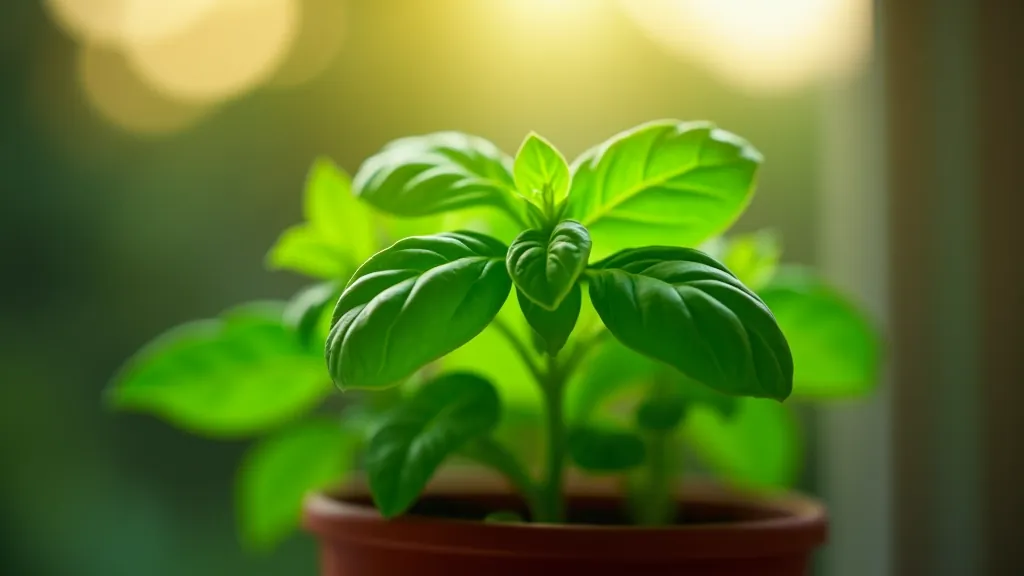
Close-up of fresh green basil leaves with water droplets in morning light

Container Setup That Actually Works

Container choice matters more than people think. You're not just picking a pot — you're creating a microclimate for roots.

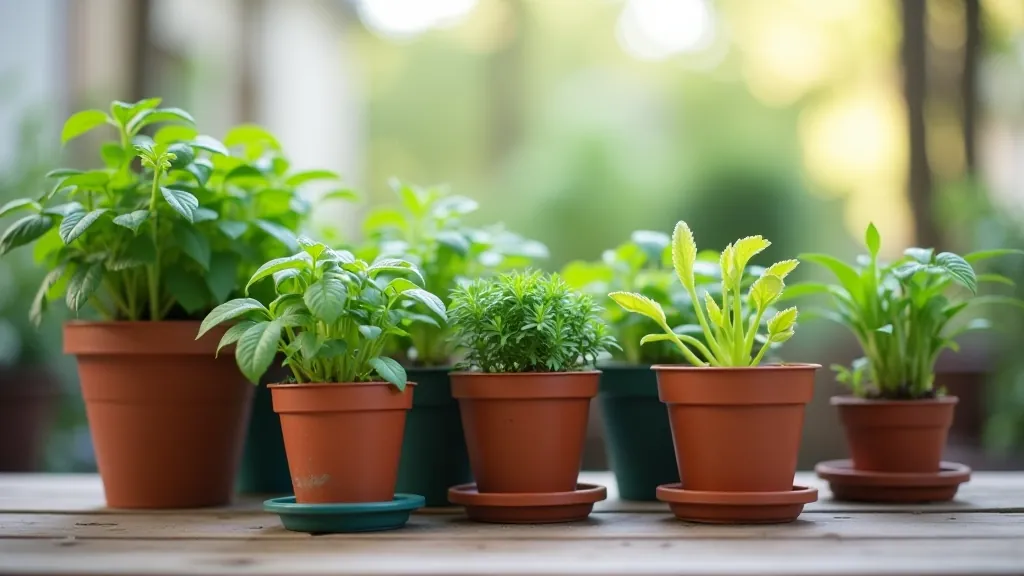
Start with drainage. This isn't negotiable. Every container needs a drainage hole. If you like the look of a pot without holes, use it as a cache pot and place a smaller draining pot inside. Standing water kills herbs faster than anything else.

Size-wise, most herbs are fine in 2-3 liter containers (about 20-25cm diameter). Basil and parsley can handle 5-liter pots if you want them really productive. Chives and dill are happy smaller. Don't overthink it — bigger isn't always better because soil stays wet longer.

Soil is where people mess up. Use proper potting mix, not garden soil. Garden soil compacts in containers and stays waterlogged. Potting mix is lighter, drains better, and has better air pockets for roots. You'll spend maybe €3-5 on a bag that fills 5-6 containers.

Pro tip: Mix your potting soil with about 20% perlite or coarse sand. It improves drainage without affecting nutrients. Herbs don't need rich soil — they prefer slightly lean conditions. Too much fertilizer makes them leggy and less flavorful.

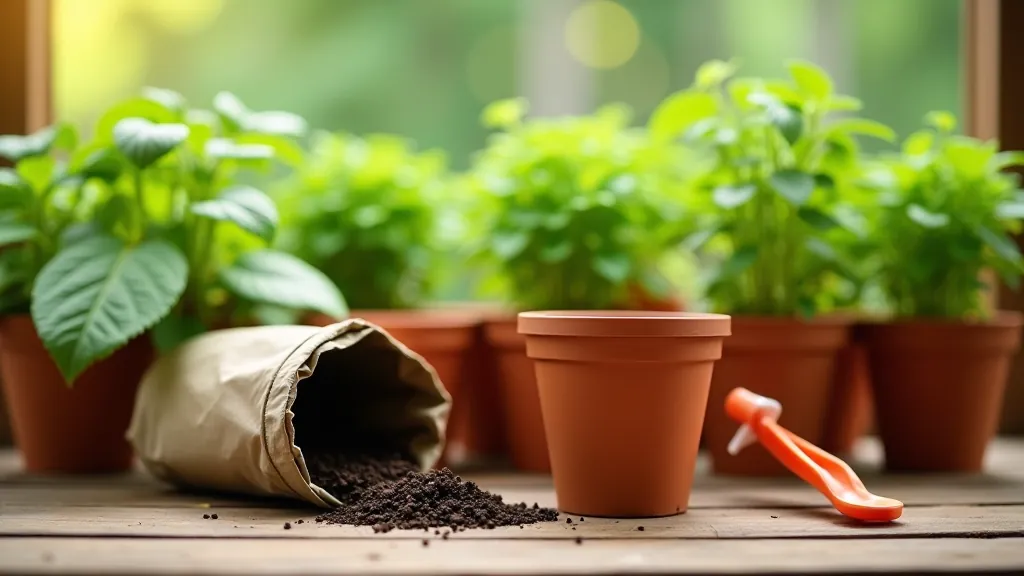
Various terracotta and plastic containers arranged on wooden table with potting soil bag and watering can
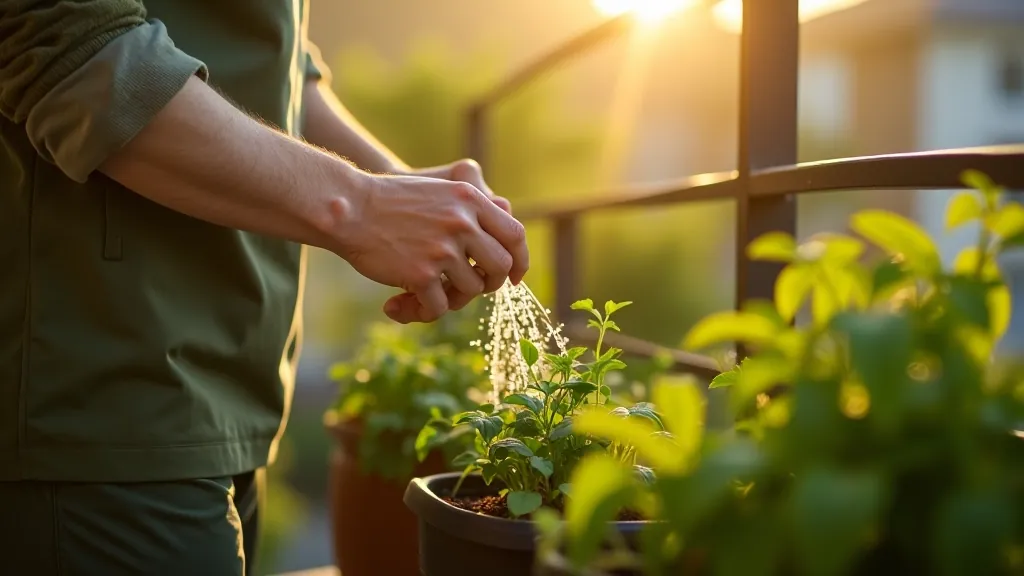
Person watering potted herbs on balcony with watering can on sunny morning

Watering, Feeding, and Harvesting

Watering is the biggest variable. It depends on your balcony's wind exposure, pot size, and whether it rains. The rule: stick your finger 1cm into the soil. If it's dry, water. If it's damp, wait. That's it. Don't water on a schedule — feel the soil first.

In Rīga's summer, you might water daily on a sunny, windy balcony. In shade or after rain, maybe every 3-4 days. Morning watering is better than evening — less disease pressure. Water at soil level, not on leaves.

Feeding: honestly, you don't need much. Potting mix has nutrients built in. If you're harvesting heavily (cutting more than 30% weekly), give a balanced liquid fertilizer every 2-3 weeks at half strength. Over-feeding makes herbs weak and dilutes flavor.

1

Start Harvesting Early

Don't wait for plants to be huge. Start pinching leaves at 4-6 weeks. Early harvesting encourages bushier growth.

2

Pinch Regularly

Remove flower buds before they bloom. Flowering redirects energy away from leaves and changes flavor.

3

Harvest from Top

For basil and parsley, pinch from the top down. For chives, cut from outside edges inward.

Common Issues You'll Actually Face

Wilting Despite Moist Soil

Usually root rot from overwatering or poor drainage. Check if soil is soggy. Repot into fresh, drier soil. Make sure containers have drainage holes. Let soil dry slightly between waterings.

Pale, Slow Growth

Not enough light. Most herbs want at least 4-6 hours direct sun. If your balcony faces north or is shaded by buildings, you'll struggle. Parsley and chives tolerate shade better — try those instead.

Bolting (Flowering Early)

Basil bolts when stressed by heat or when you stop harvesting. Keep pinching flower buds. For summer, use shade cloth on really hot days. Parsley bolts in year two — this is normal. Pull it and start fresh.

Spider Mites or Aphids

Spray leaves with water to dislodge them. If it persists, use neem oil diluted in water (follow package directions). Start treating early before populations explode. On edible herbs, stop spraying a week before harvesting.

Information Disclaimer

This article provides educational information about growing herbs in containers on balconies. Growing conditions vary significantly based on your specific balcony orientation, local microclimate, and individual plant care practices. Results depend on many factors beyond those described here. Always start with small quantities and observe how your specific balcony conditions affect plant growth. If you're unsure about anything, consult experienced local gardeners or horticultural extension services in Latvia.

Start Small, Then Expand

You don't need to plant everything at once. Start with one herb — maybe basil or chives since they're reliable. Grow it for a month, understand how your balcony works, then add another variety. By mid-summer, you'll have a small but productive herb garden that actually supplies your kitchen.

The learning curve is short. Most people figure out what works within the first season. By year two, you'll be growing herbs better than any store and wondering why you didn't start sooner.

That's it. Get some pots, fill them with good soil, plant seeds or seedlings, water when they're dry, and harvest when you need fresh herbs. Simple, practical, and it actually works in Rīga.